Where The Wild Still Lives
Armed with Adam’s delicious turkey soup made from our Thanksgiving leftovers, we left Savannah and continued our journey south. A friend and fellow NYYC member messaged me after seeing our location and insisted we not miss Cumberland Island. So off we went, with Cumberland set in our sights roughly 120 nautical miles down the line.
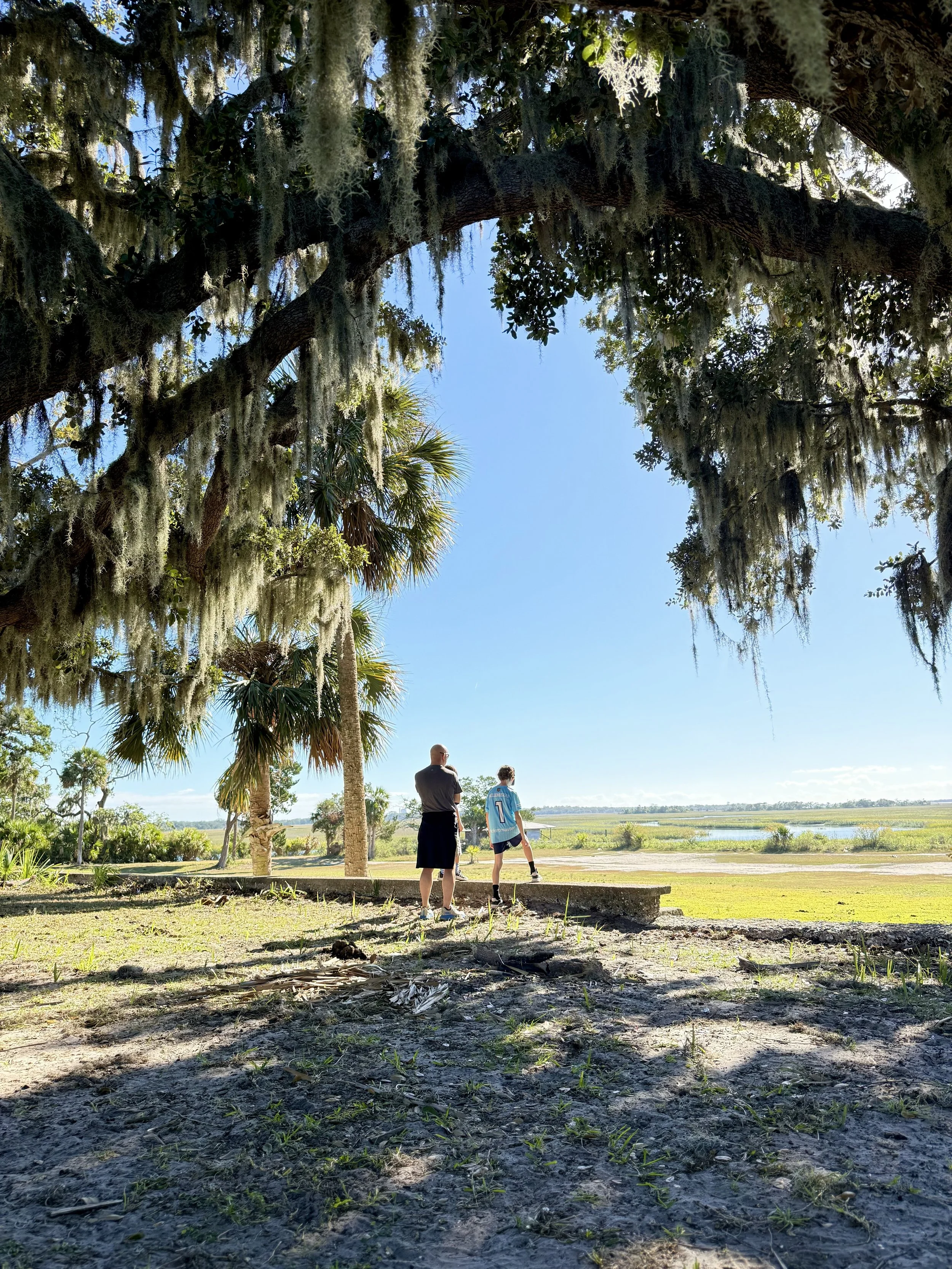
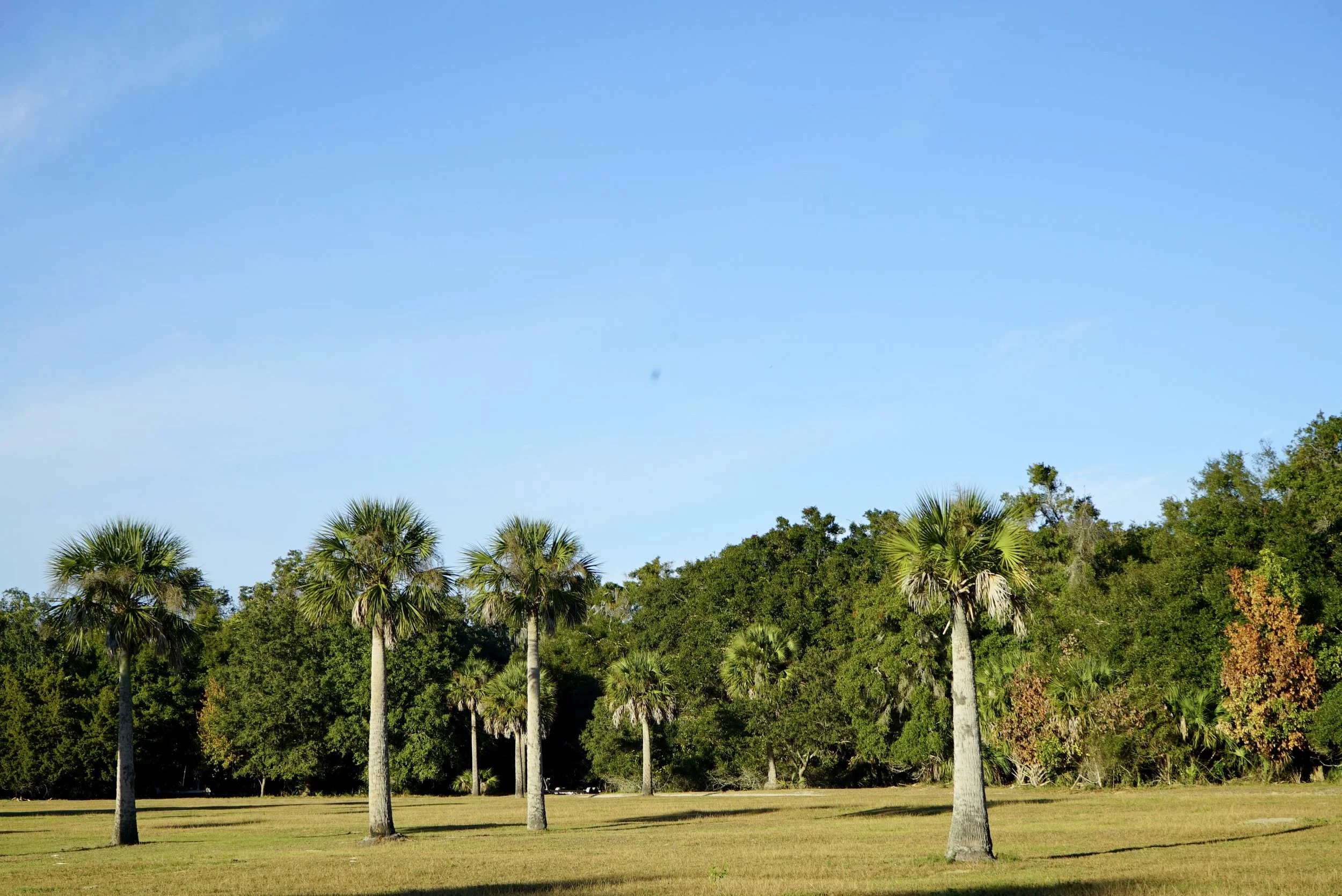
Cumberland Island is one of those places that feels almost untouched, suspended somewhere between past and present. It is a protected barrier island off the coast of Georgia and has been managed as a National Seashore since 1972. The island is largely undeveloped and accessible only by ferry, with no cars and a strict limit on visitors each day. It’s made up of maritime forests, wide Atlantic beaches, tidal marshes, and freshwater wetlands.
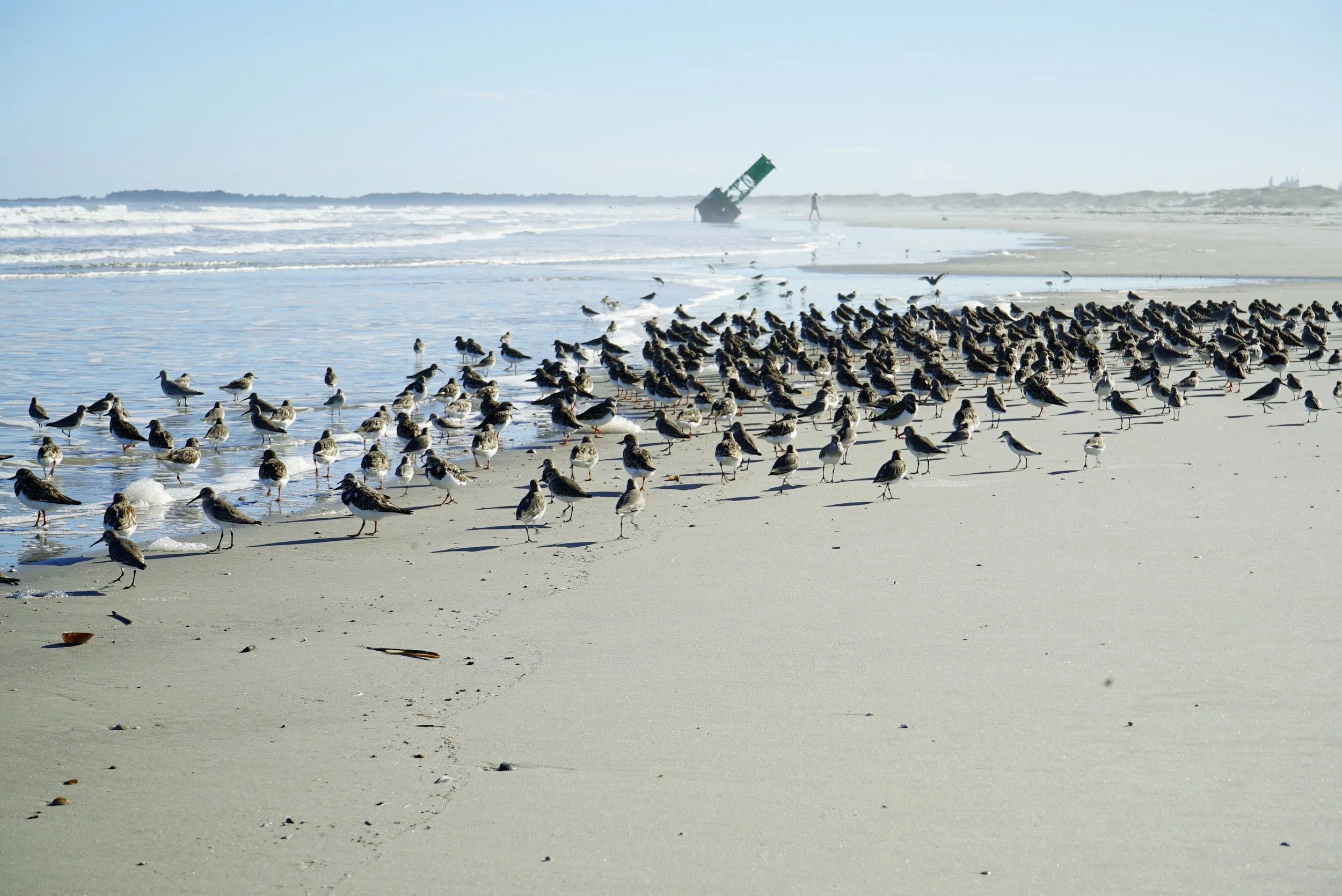
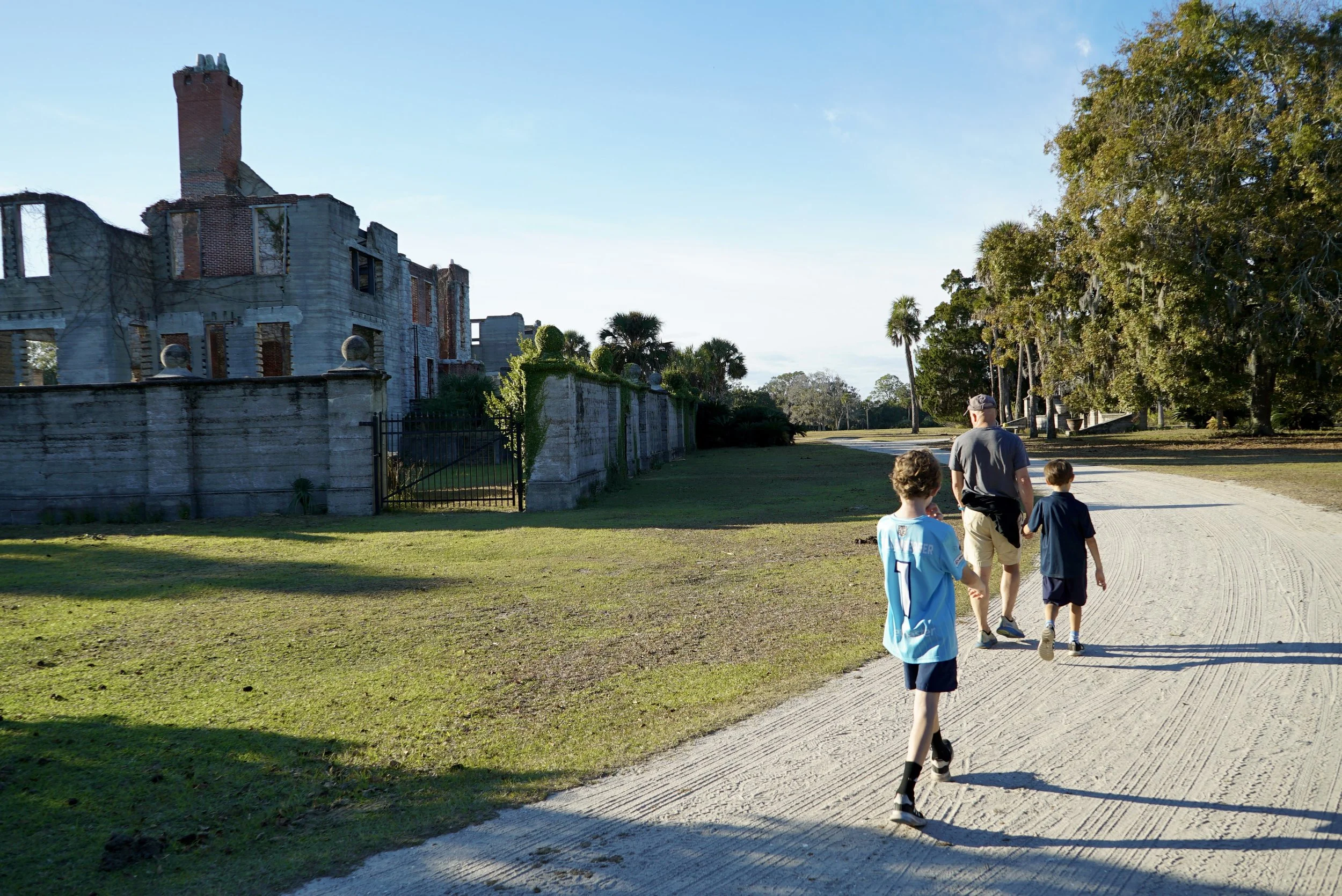
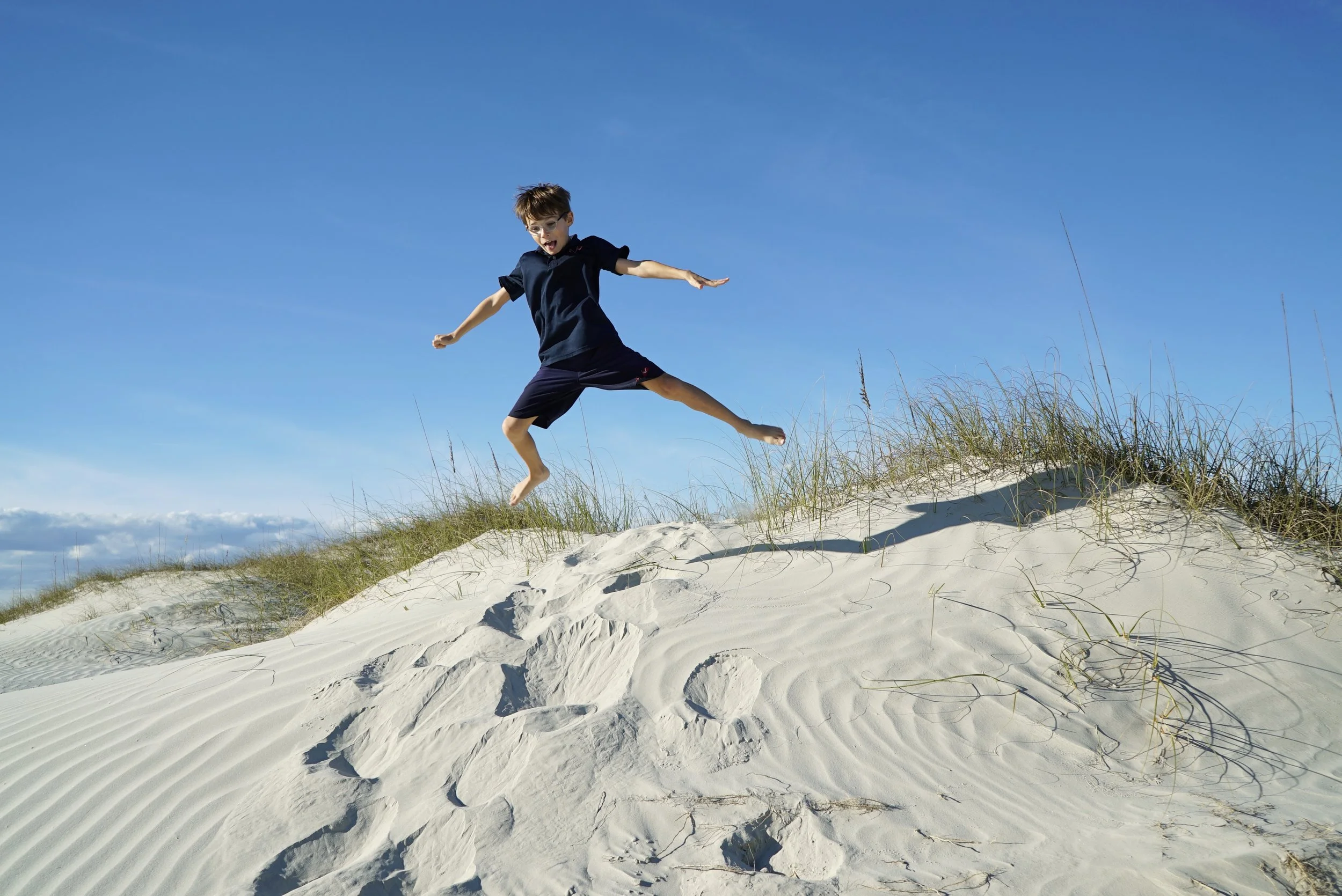
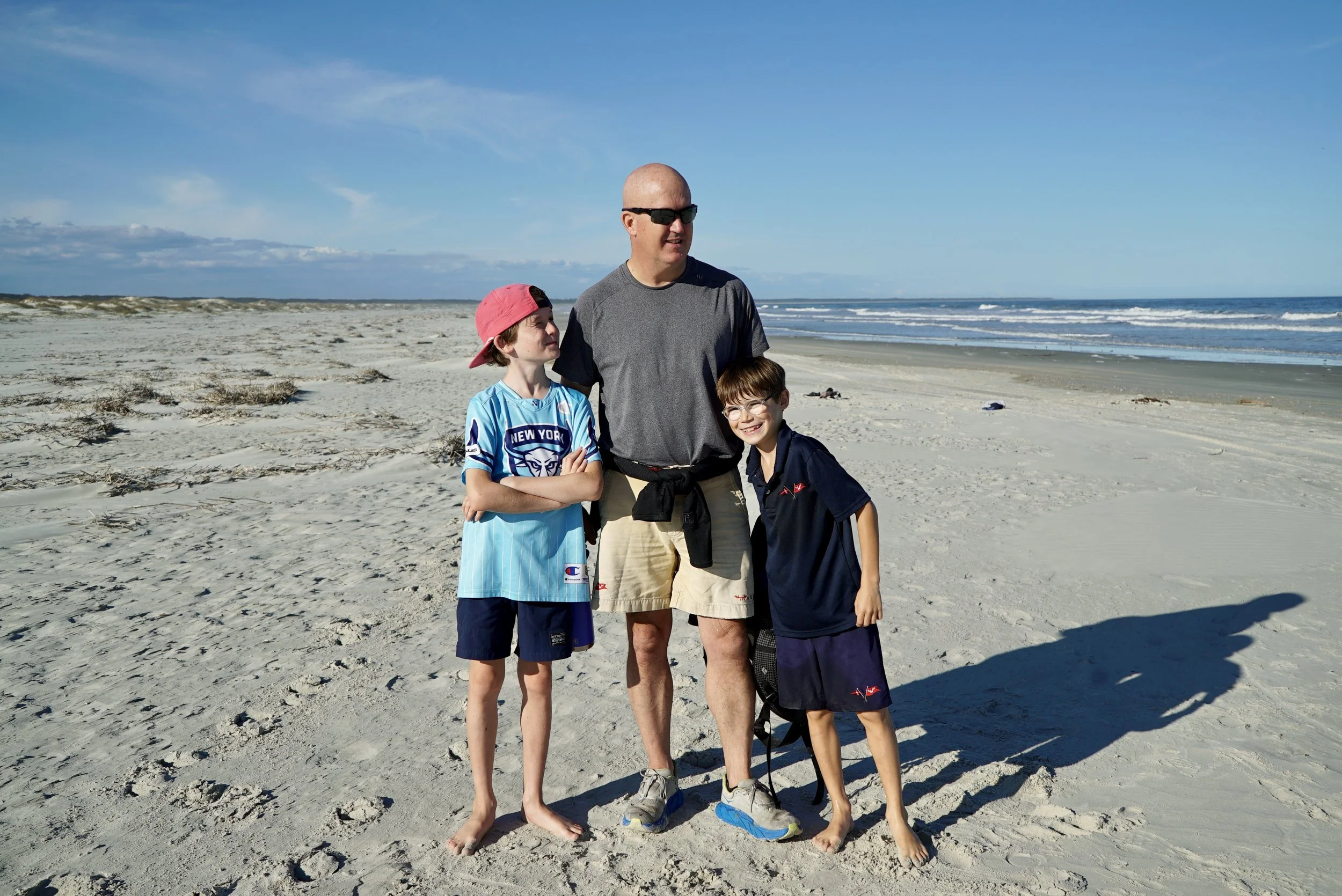
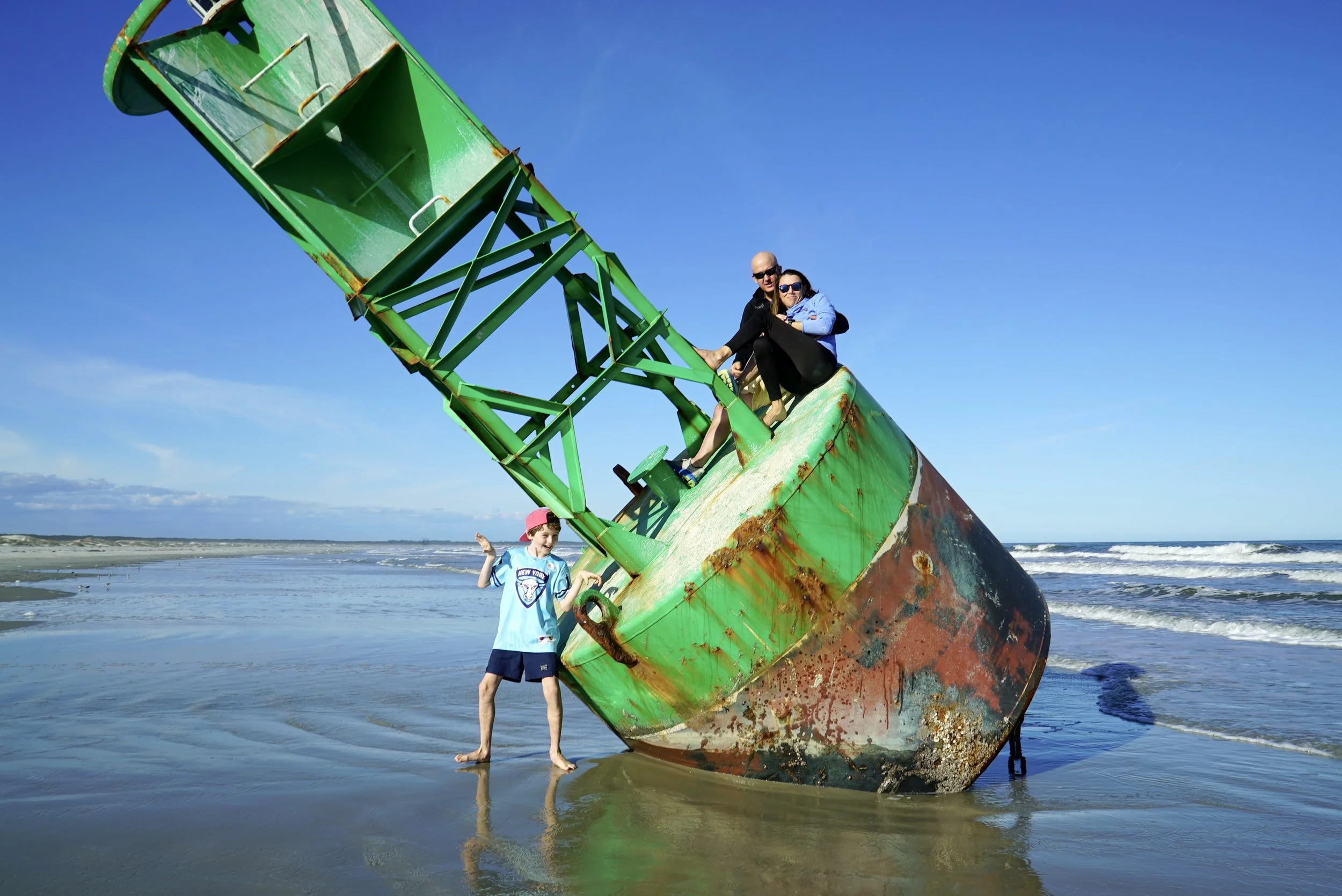
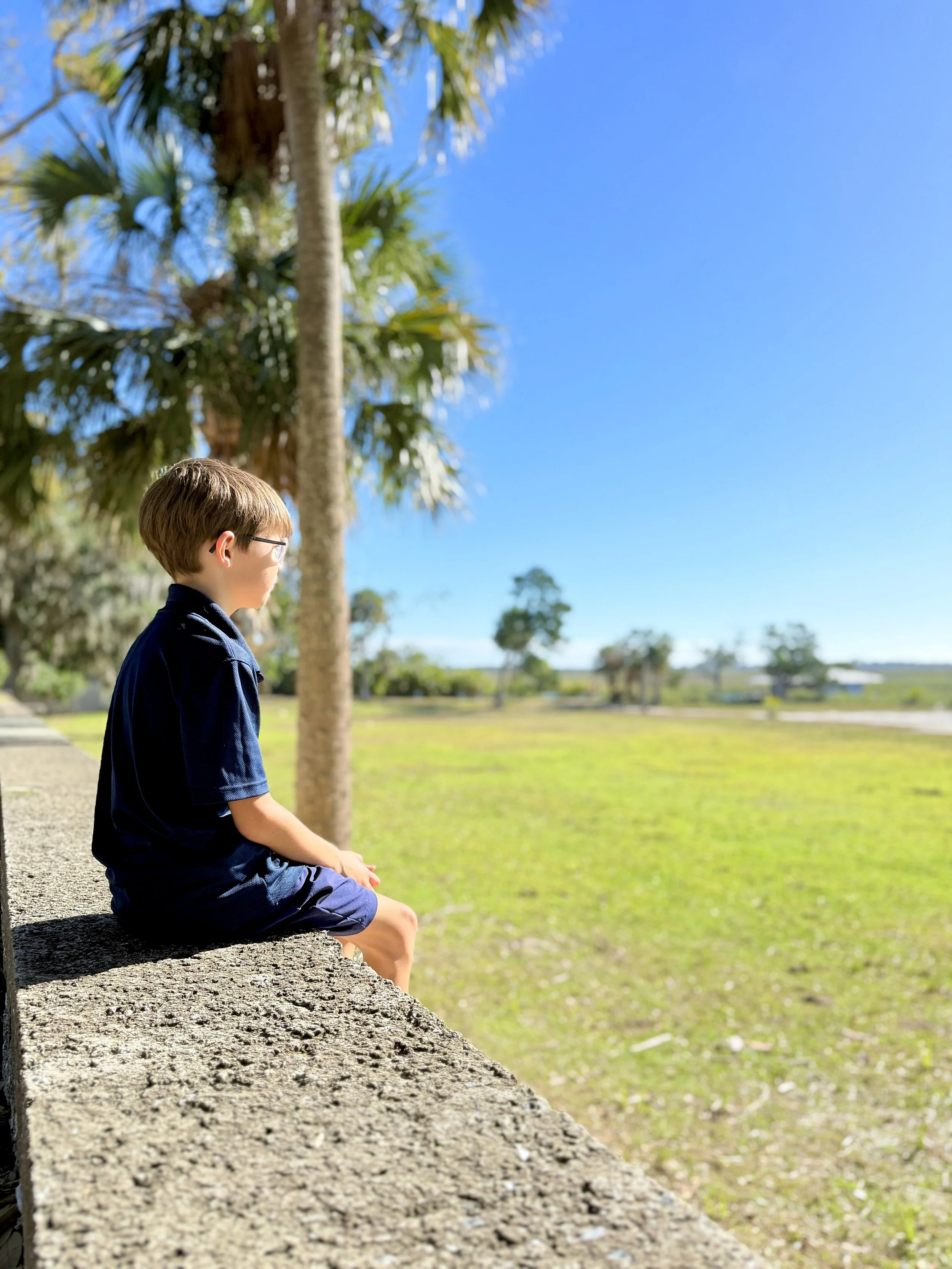
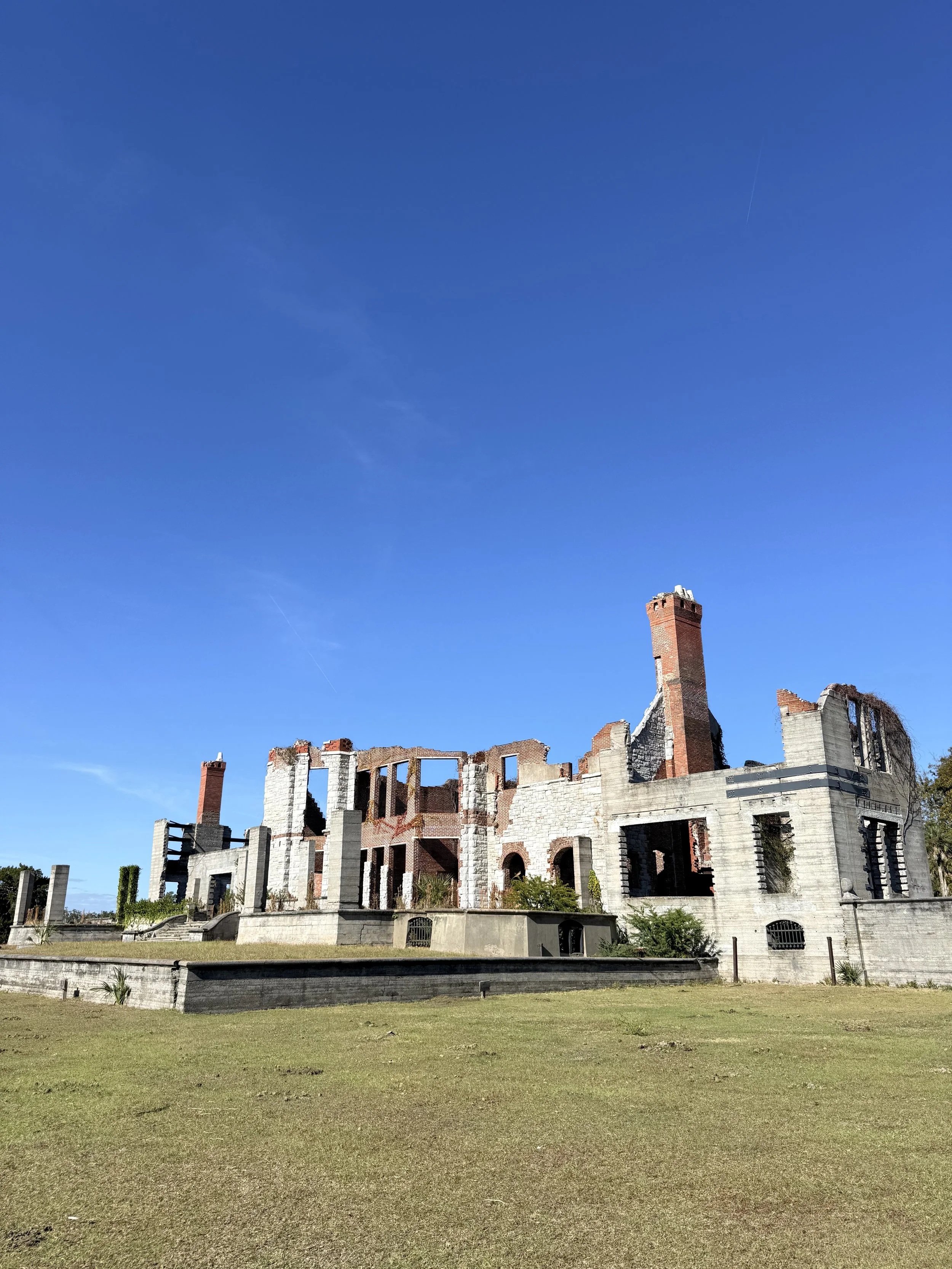
We were instantly struck by the raw beauty and quiet wildness of it all. I could feel my whole body exhale as we settled into our two-night stay. You can’t help but soften into the calm there. On our first day, we explored the Dungeness ruins (what remains of the grand Carnegie estate) and then wandered onto the serene 17 mile strip of beach that welcomes the harshness of the Atlantic. Feral horses grazed freely in the dunes, armadillos scurried like southern squirrels, white-tailed deer dashed across Spanish-moss-covered paths, dolphins showed off in their playful way as the sun retreated for the night.
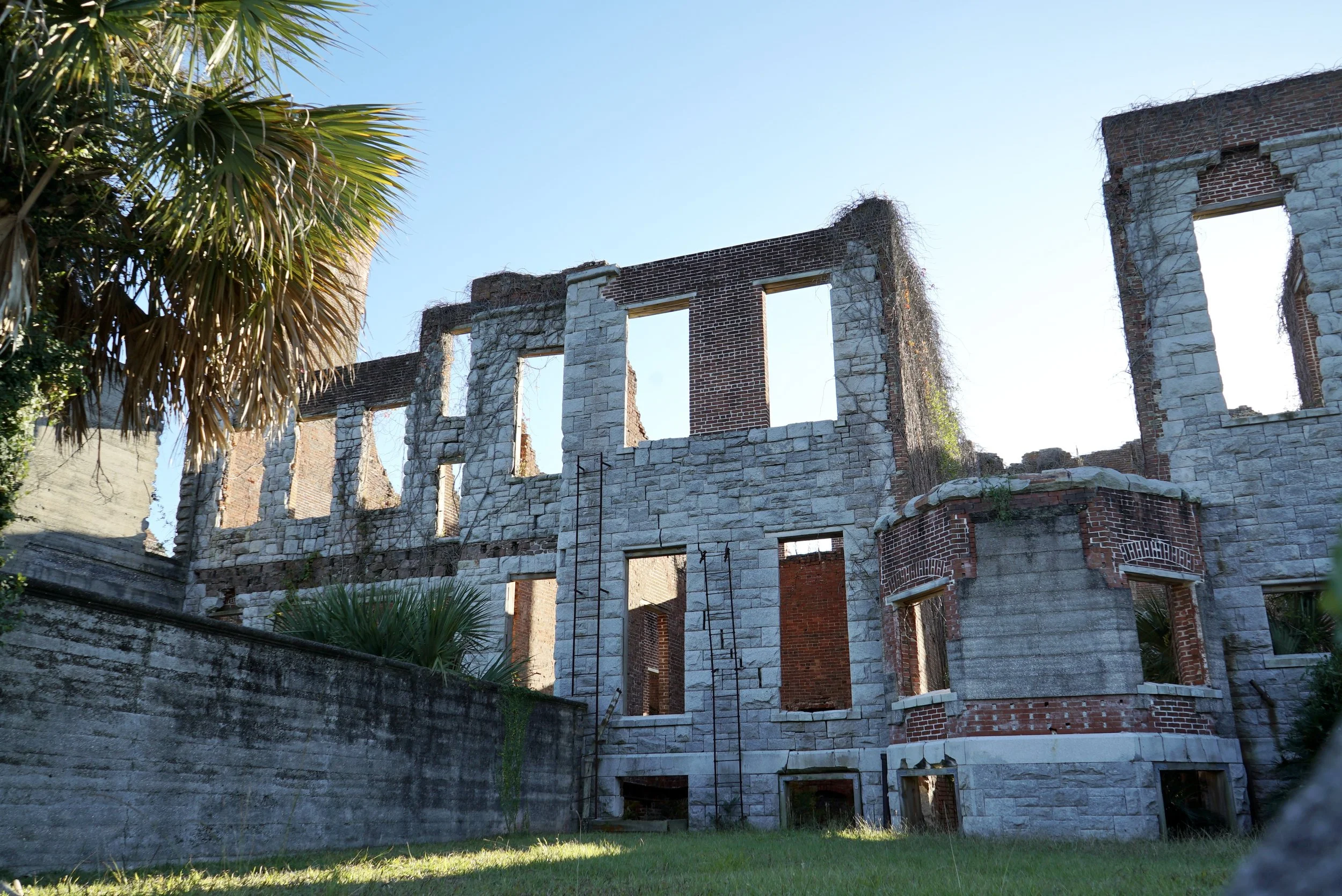
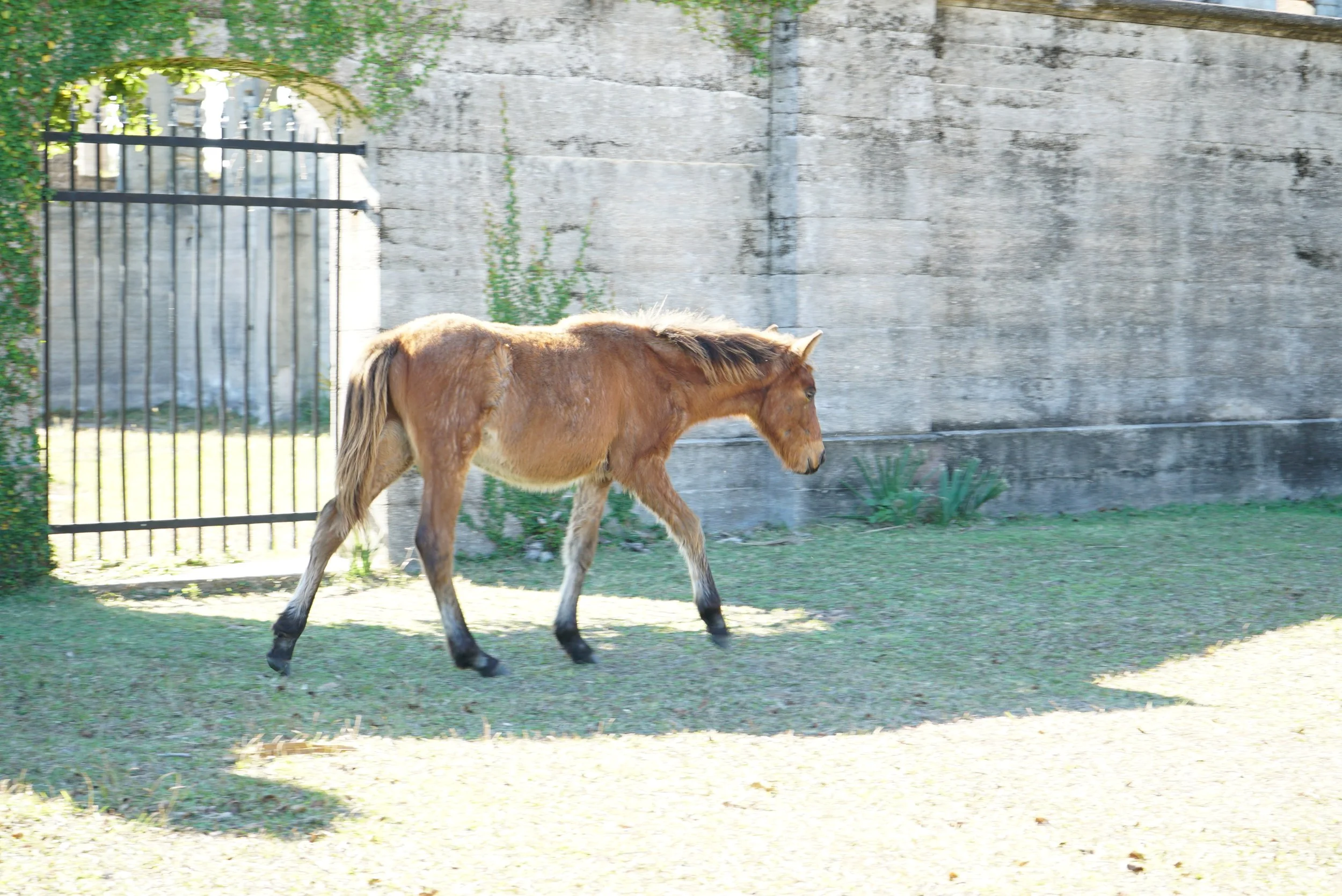
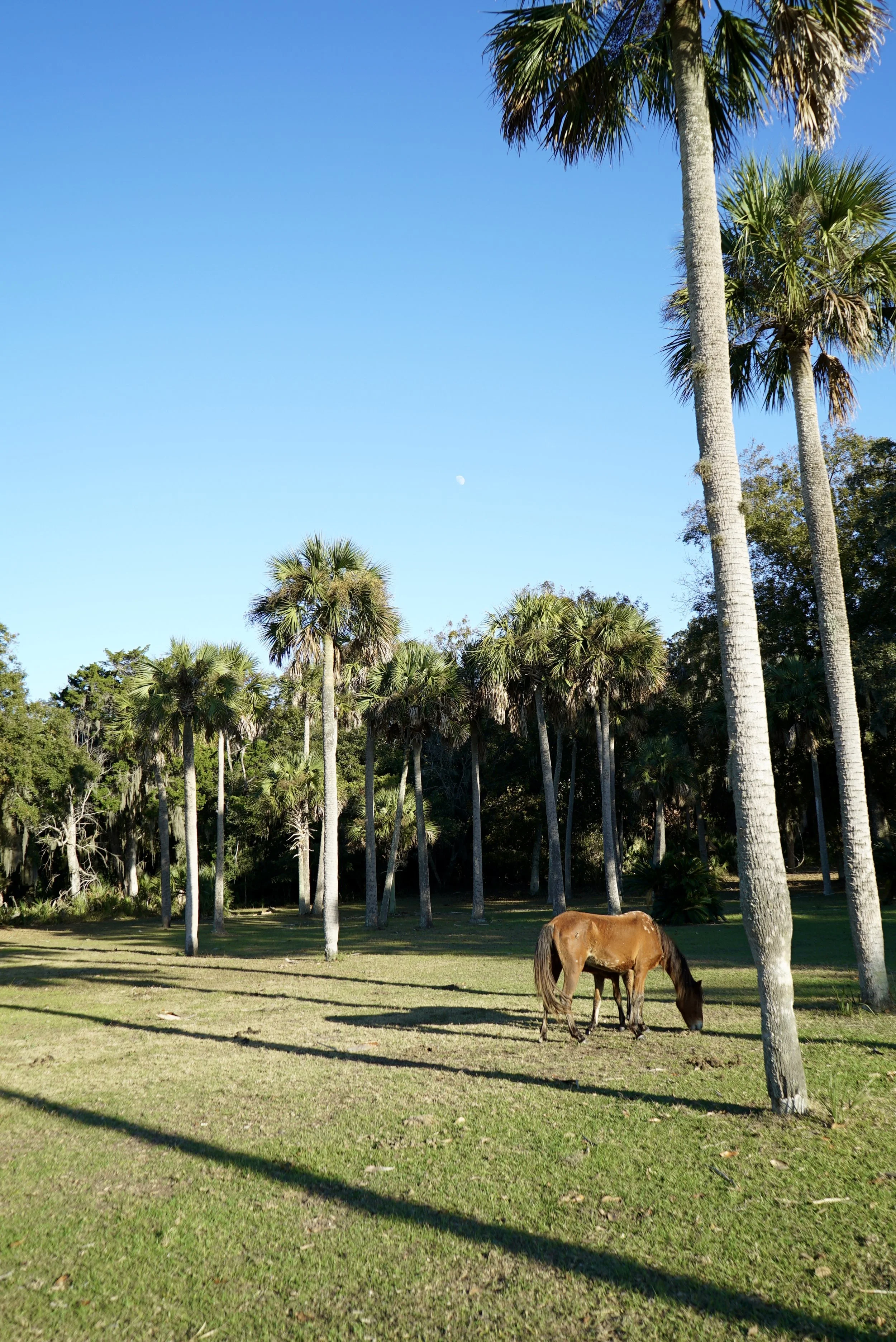
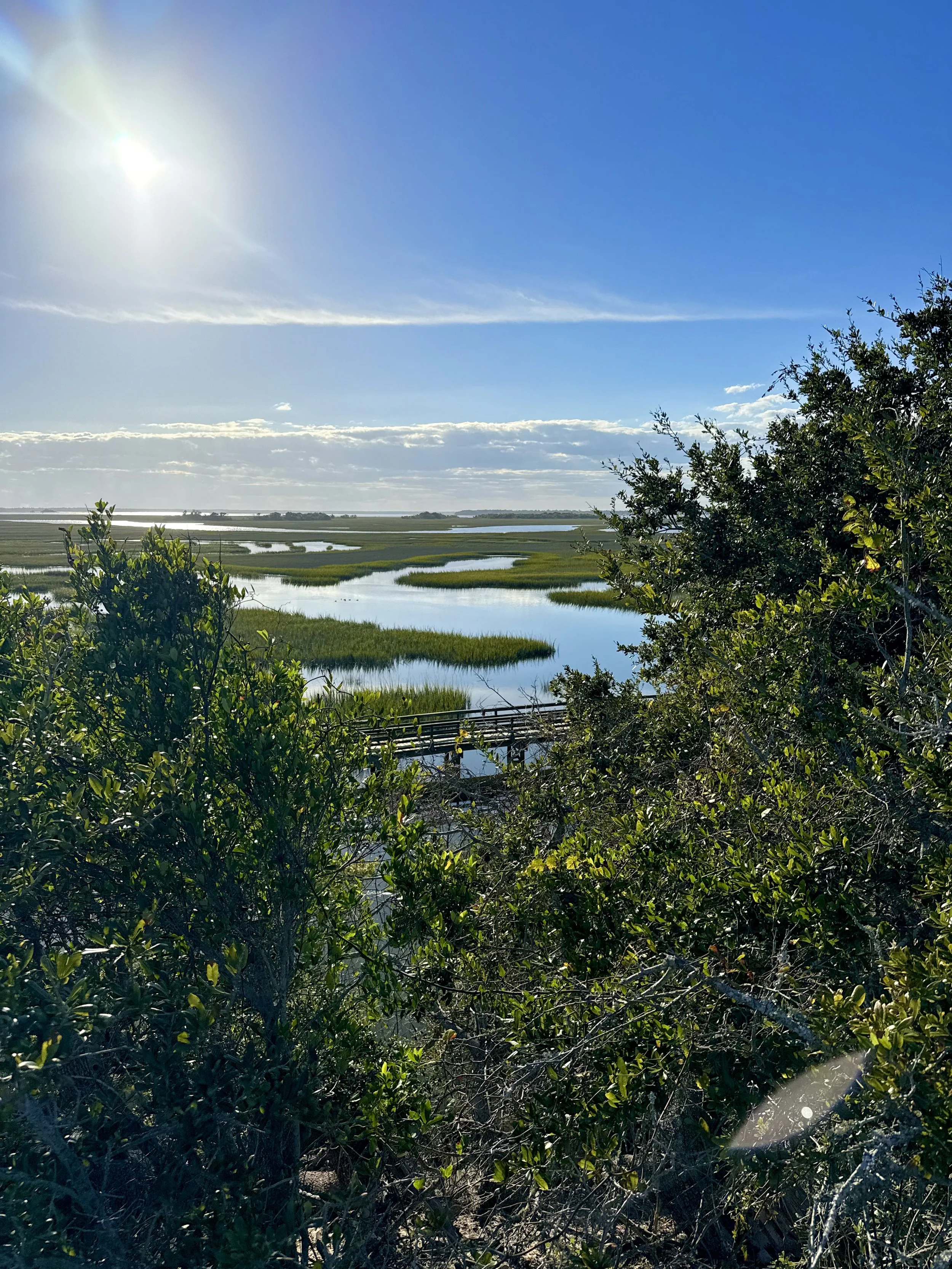
The history of Cumberland is captivating. Peaceful Indigenous roots, bloody colonial conflict, and then the era of Carnegie wealth. All of it wrapped in a complicated mix of love for the island, simmering animosity, and the constant tug of ownership. It’s one of those rare places where you can feel the history with every step. I’m halfway through a book recommended by the same friend who put this stop on our radar, Cumberland Island: Strong Women, Wild Horses, and it gives such a clear look into the island’s tangled history.
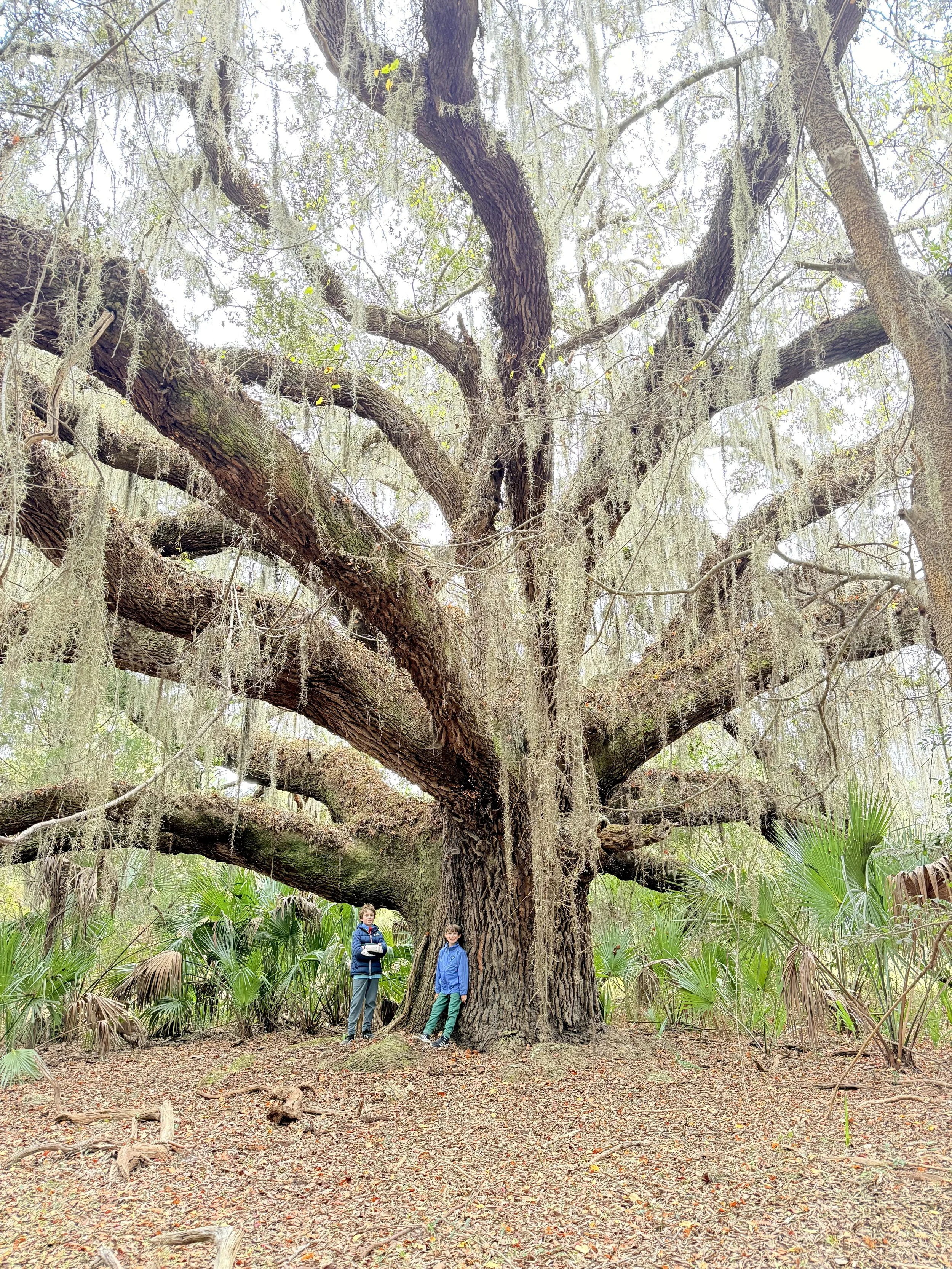
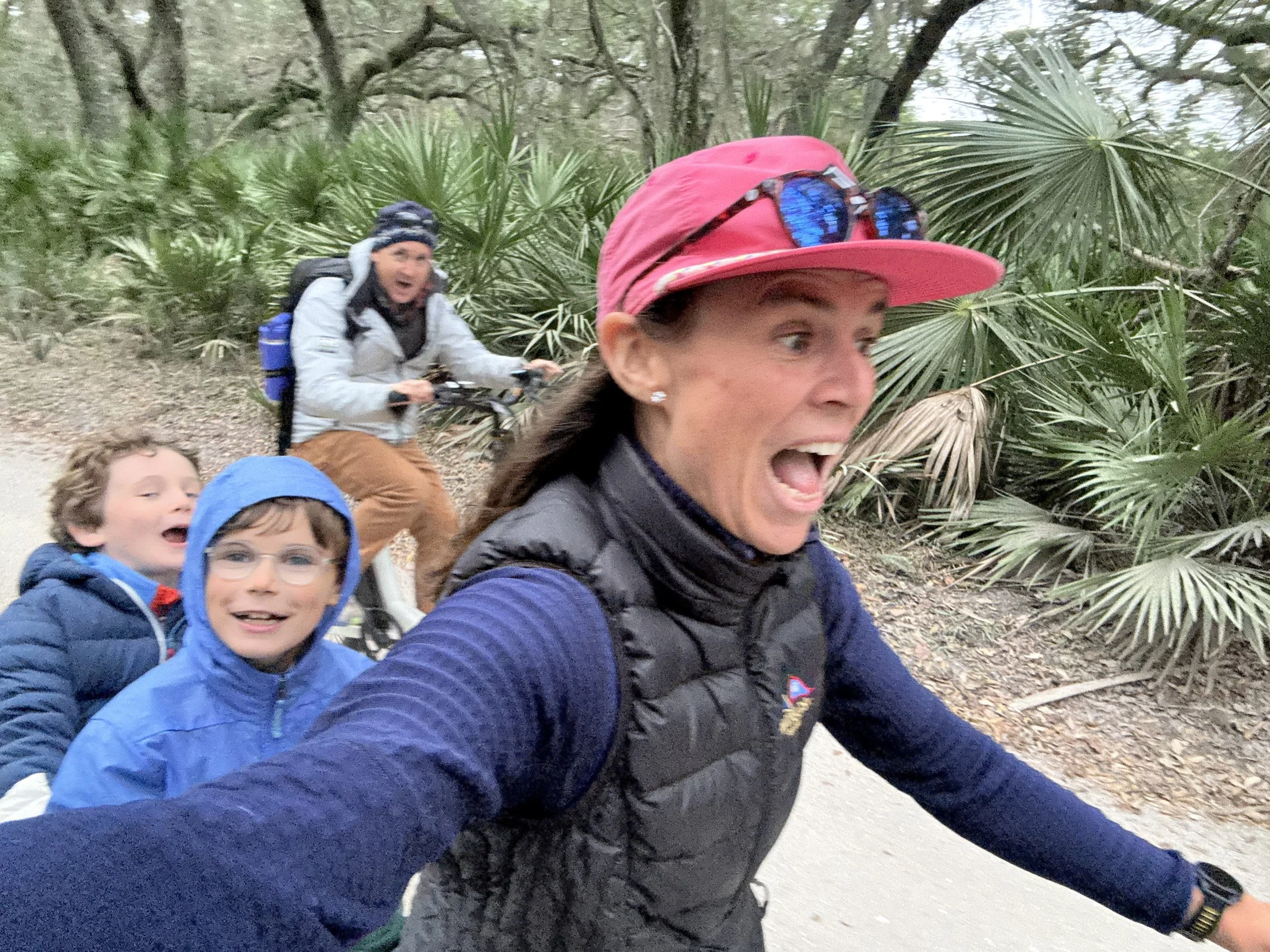
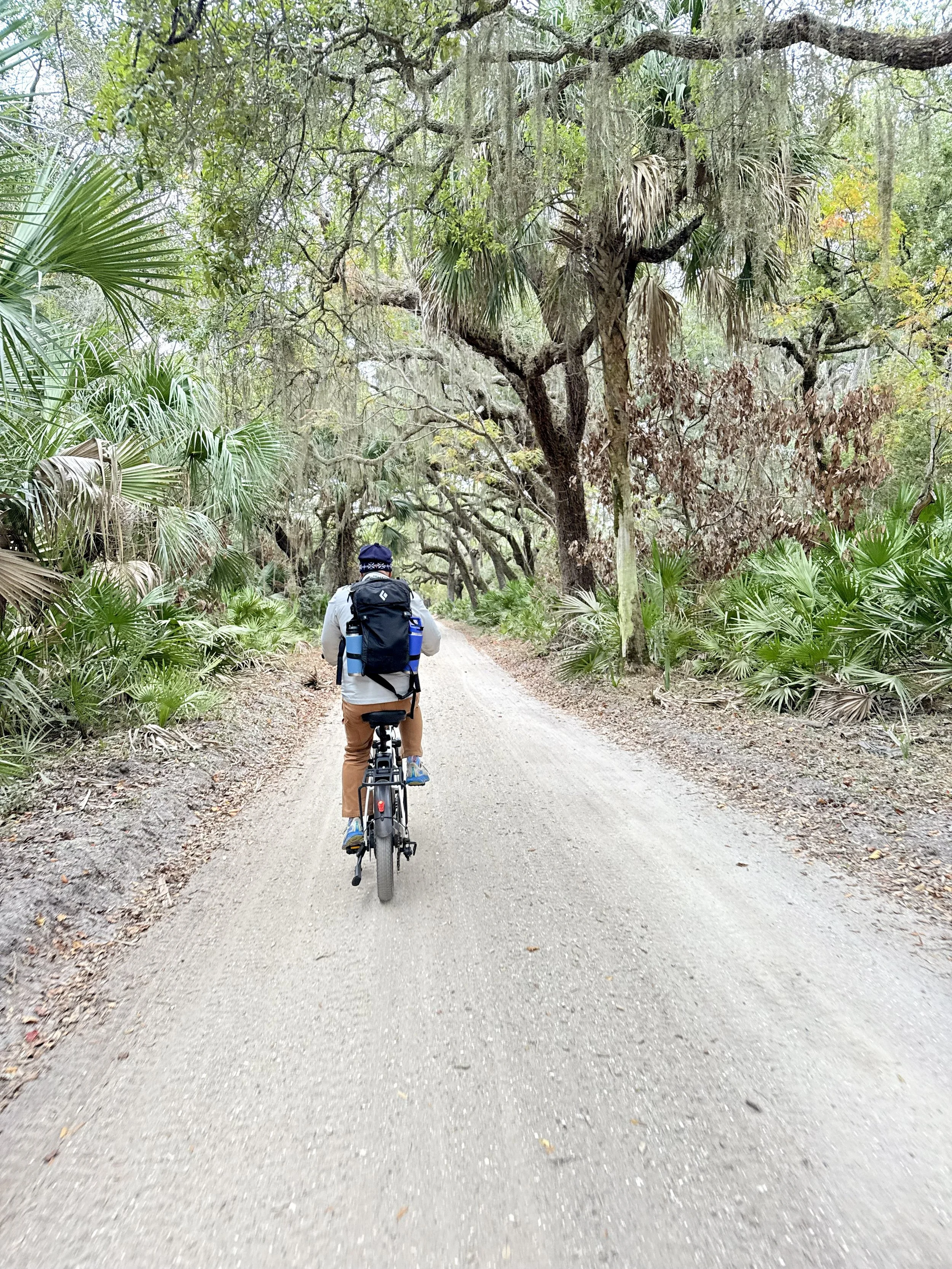
On Sunday, after a morning of schoolwork for all the boys (including Adam, who is taking a Joint Professional Military Education course), we loaded the bikes into the dinghy for a 16-mile round-trip ride to the Plum Orchard Estate. The ride itself felt like pedaling through a storybook. Swooping Spanish moss, elegant magnolias, and ancient live oaks that seemed to watch us as we passed. The USS Constitution, “Old Ironsides,” was famously built from live oak harvested here. The sand roads were mostly packed and smooth, though a few deep patches sent us spinning out. The minivan bike does NOT appreciate creative maneuvering, and our spills had the boys laughing hard.
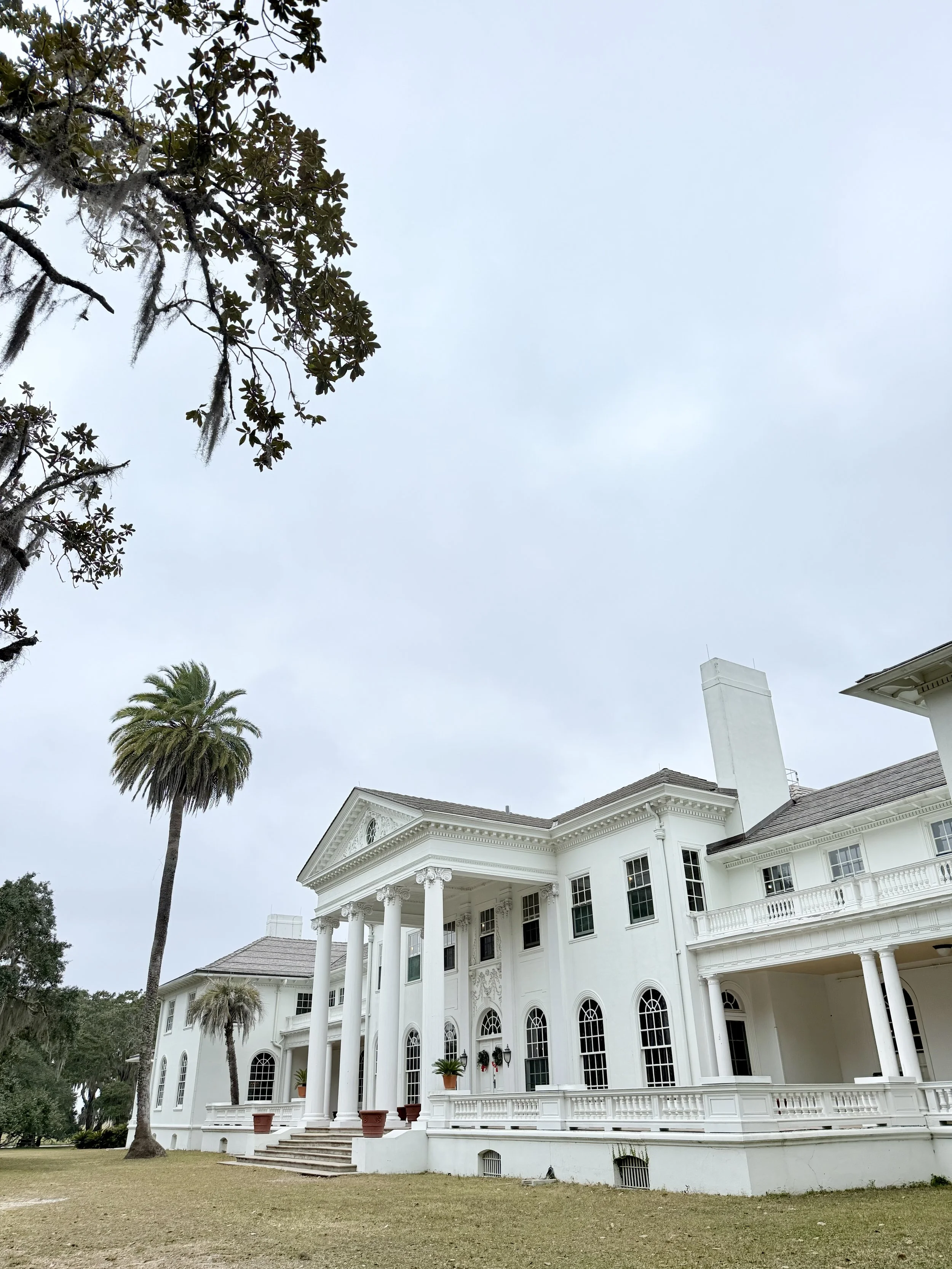
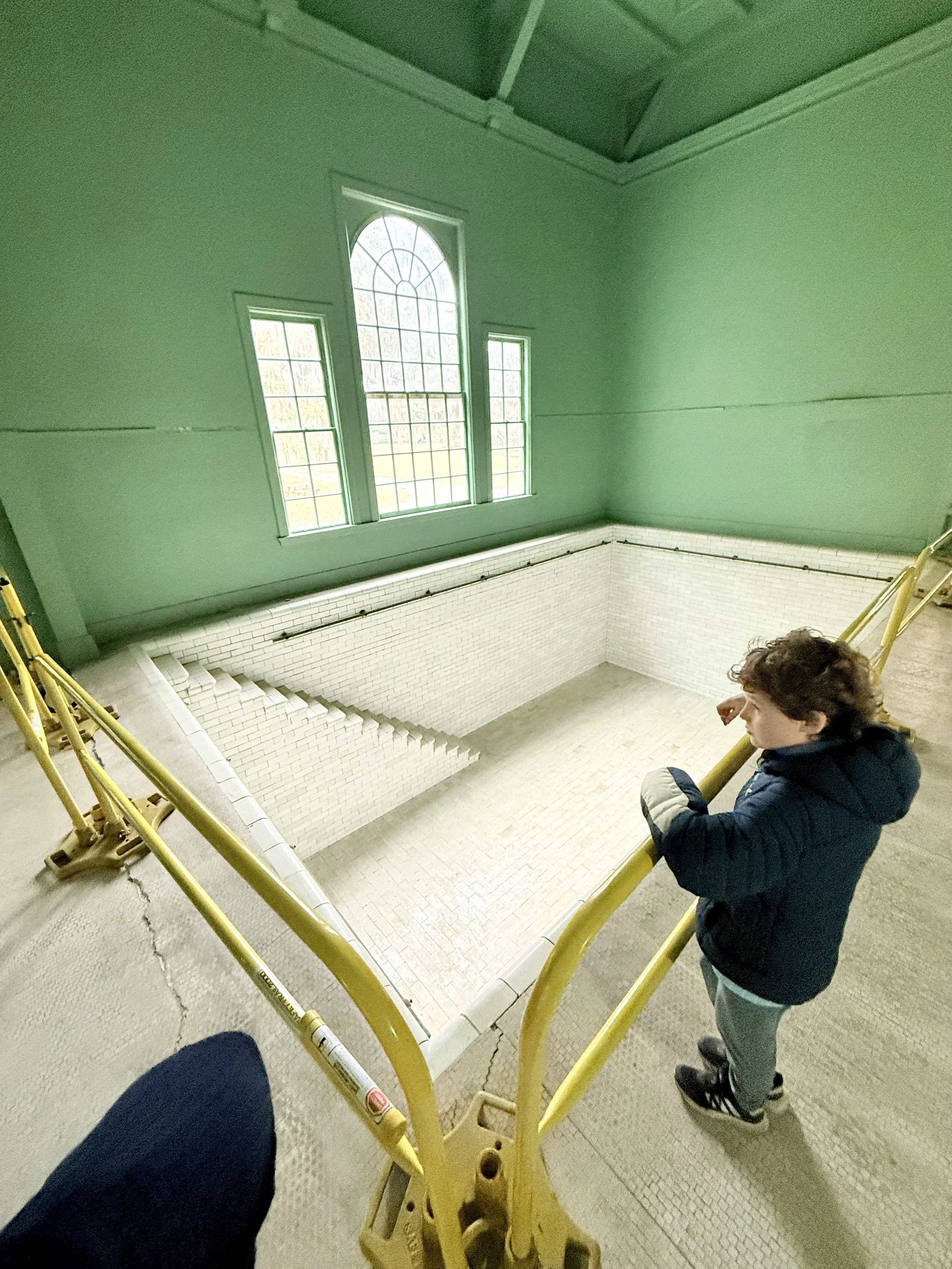
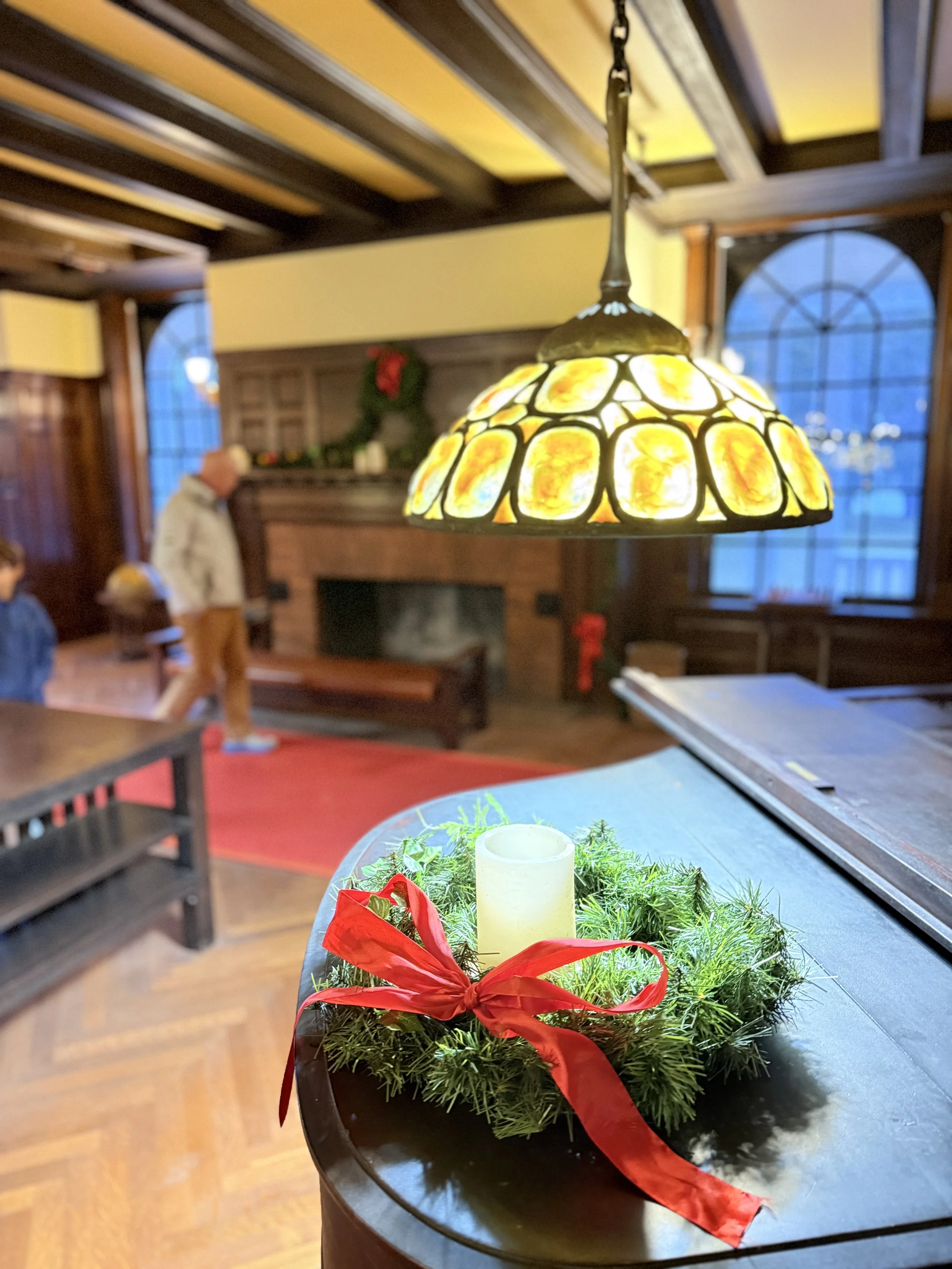
We reached Plum Orchard only to realize the last tour had ended at 2pm, and it was now 3:15. We tried the door. Locked. We turned back toward our bikes, disappointed but still happy we had made the trek. Just as we were mounting up, the massive oak doors creaked open. A small woman with wiry gray hair appeared and, taking pity on the effort we’d put in, offered us a private tour. The house was beautiful; easy to imagine bustling with life during its Gilded Age prime. The boys declared the indoor heated pool the best part, and honestly, it was hard to disagree. We rode back at golden hour, passing scenes that looked like they’d been plucked straight from the walls of the Met.
We departed Monday morning bound for St. Augustine. After picking up a mooring, we took the dinghy ashore to stretch our legs and grab a few groceries. As we walked through streets packed with people, stuffed with over-the-top Christmas decor and endless tchotchke shops, I told the boys it felt like I had “the bends.” They looked confused, so I explained. Going from the serenity of Cumberland Island to the commercial kingdom of thing-dom felt like surfacing too quickly from a deep dive. You need a safety stop. A moment to adjust.
The jump between the two worlds was unmistakable, and honestly a little hard on the system. But that’s the trade-off. We get the extremes. And somewhere in that whiplash is exactly what makes this route so memorable.